Zero-Knowledge Proofs Privacy Simplified
Privacy has always been one of blockchain’s biggest promises but regulation has become one of its biggest challenges. As governments push for transparency and compliance, users still want financial privacy and control over their data. This is where zero-knowledge proofs privacy comes in.
Zero-knowledge proofs (ZKPs) are quickly becoming the bridge between privacy-preserving blockchain systems and regulatory compliance. Let’s break it down in simple terms.
What Are Zero-Knowledge Proofs?
A zero-knowledge proof allows someone to prove that something is true without revealing any underlying information.
Simple analogy: You prove you’re over 18 without showing your date of birth.
On blockchain, this means:
- You can prove you own funds
- You can prove a transaction is valid
- You can prove compliance
Without exposing wallet balances, identities, or transaction history
This is the core of zero-knowledge proofs privacy.
Why Privacy Matters in Blockchain
Public blockchains are transparent by design. While this builds trust, it also creates risks:
- Wallets can be tracked
- Transaction histories are permanently visible
- User behavior can be analyzed
For individuals and businesses, this lack of privacy can be dangerous. This is why privacy-preserving blockchain solutions are becoming essential not optional.
Privacy vs Regulation: The Real Conflict
Regulators want:
- Anti-money laundering (AML)
- Know-your-customer (KYC)
- Transaction traceability
Users want:
- Financial privacy
- Data protection
- Control over their assets
Traditionally, this has been a trade-off. But zero-knowledge proofs regulation models change that equation.
How Zero-Knowledge Proofs Enable Compliant Privacy
With zero-knowledge compliance, users can prove:
- They passed KYC
- Funds are not linked to illegal activity
- Transactions follow regulatory rules
All without revealing personal data.
This enables:
- Compliant crypto privacy
- Selective disclosure
- Regulation-friendly decentralization
In short: regulators get assurance, users keep privacy.
Zero-Knowledge Proofs in Crypto Today
ZK technology is already being used in:
- Privacy-focused blockchains
- Layer 2 scaling solutions
- Identity verification systems
- DeFi compliance tools
As adoption grows, zero-knowledge proofs privacy in crypto will likely become a standard rather than an exception.
How to Create and Configure Zero-Knowledge Proofs (ZKP)
Understanding zero-knowledge proofs privacy conceptually is important but real-world adoption depends on how ZKPs are created and configured in blockchain systems.
Here’s a simplified breakdown.
Step 1: Define What Needs to Be Proven
The first step is deciding what condition must be verified without revealing data.
Common examples include:
- Proving a user passed KYC
- Proving sufficient wallet balance
- Proving regulatory compliance
The actual data stays private only the proof is shared.
This is the foundation of privacy-preserving blockchain design.
Step 2: Choose the Appropriate ZKP System
Different ZKP frameworks serve different use cases:
- zk-SNARKs – Efficient and widely used in crypto privacy tools
- zk-STARKs – Scalable, transparent, and no trusted setup
- Bulletproofs – Lightweight proofs for confidential transactions
Choosing the right system depends on performance, scalability, and zero-knowledge compliance requirements.
Step 3: Generate Proofs Off-Chain
To maintain efficiency and reduce costs, proofs are usually generated off-chain.
Process overview:
- Private data is processed locally
- A cryptographic circuit checks the rules
- A zero-knowledge proof is generated
Only the proof is submitted not the sensitive data. This is critical for compliant crypto privacy.
Step 4: Verify Proofs On-Chain
Once generated, the proof is sent to a smart contract or verification layer.
The blockchain:
- Confirms the proof’s validity
- Ensures compliance rules are met
- Never accesses private user data
This architecture perfectly addresses blockchain privacy vs regulation challenges.
Why This Matters for the Future of Web3
The future of blockchain depends on balance:
- Too much privacy → regulatory pushback
- Too much regulation → loss of decentralization
Zero-knowledge proofs privacy offers a middle path one where blockchain can scale globally while respecting both laws and user rights.
SwiftEx and the Role of Non-Custodial Privacy
Platforms like SwiftEx are built around this philosophy.
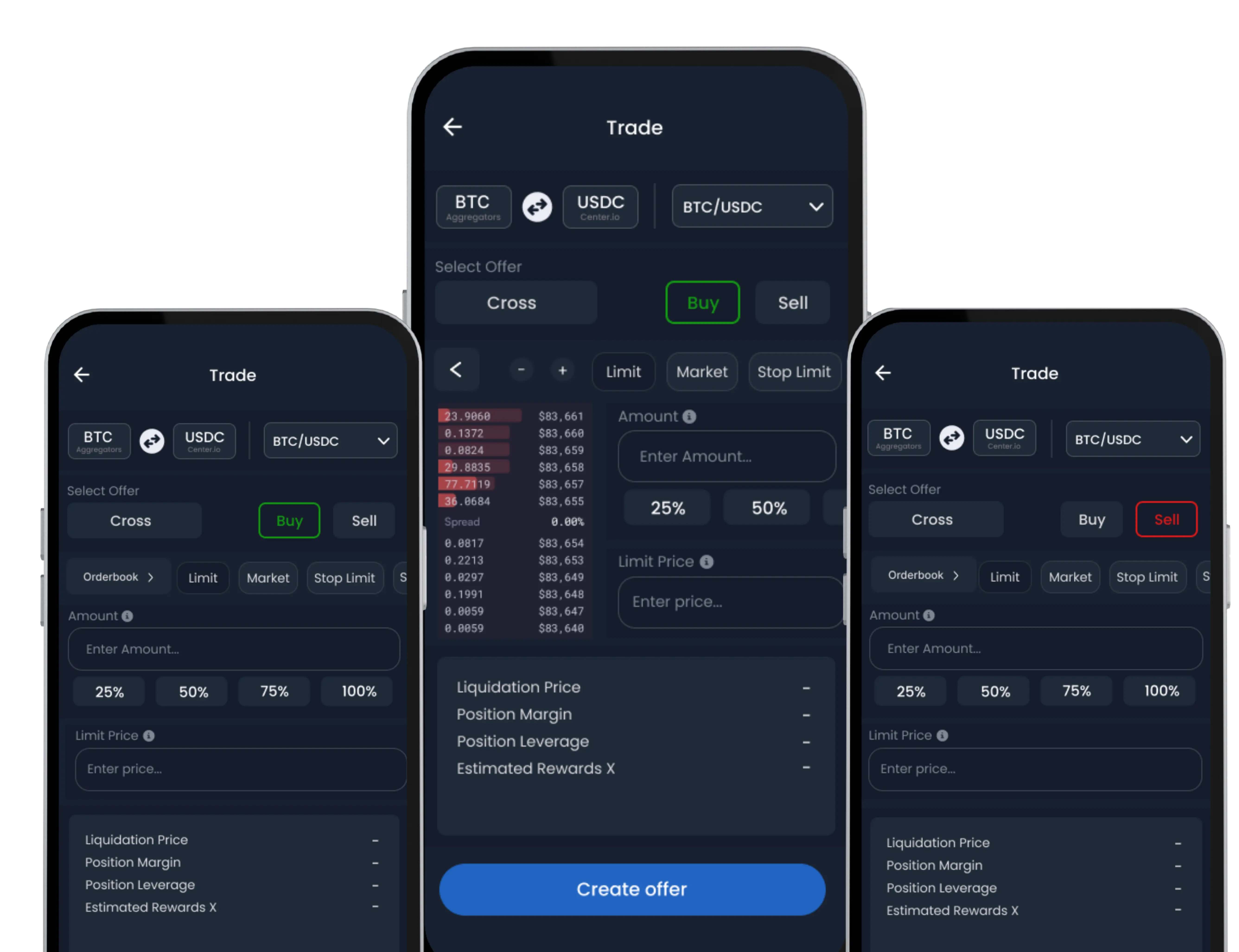
SwiftEx is a non-custodial, multi-chain crypto wallet and DEX that enables fast, secure, low-fee spot trading and seamless fiat/crypto conversions. By leveraging decentralized architecture and privacy-first design, SwiftEx empowers users to:
- Retain full control of their assets
- Trade across chains securely
- Access crypto globally without custodial risk
As privacy tools in crypto evolve, non-custodial platforms combined with zero-knowledge technologies represent the next generation of compliant, user-first finance.
Final Thoughts
Zero-knowledge proofs are not about hiding wrongdoing they’re about protecting users while enabling trust.
By simplifying zero-knowledge proofs privacy, the blockchain industry can move toward a future that is:
- Private
- Compliant
- Decentralized
- Scalable
And that’s exactly the direction Web3 needs to go.
Follow us on