Are Non-Custodial Exchanges Replacing CEXs?
The crypto industry is shifting.
After years of relying on centralized exchanges (CEXs), users are increasingly moving toward non-custodial platforms. The reason is simple: control, transparency, and security.
But are non-custodial exchanges really replacing CEXs or is this just another market cycle trend?
Let’s break it down.
What Are Non-Custodial Exchanges?
A non-custodial exchange is a crypto platform where users retain full control of their private keys and assets at all times.
Unlike centralized exchanges, non-custodial platforms:
- Do not hold user funds
- Do not control private keys
- Do not require trusting a third party with custody
This model aligns with the original vision of crypto: “Not your keys, not your coins.”
Centralized Exchanges (CEXs): Where They Fall Short
Centralized exchanges dominated crypto for over a decade because they offered:
- Easy onboarding
- Fiat gateways
- High liquidity
- Simple trading interfaces
However, they also introduced major risks:
1️Custodial Risk
When you deposit funds into a CEX, you no longer control them.
History has shown that exchange failures, hacks, and insolvencies can freeze or erase user assets overnight.
2️Regulatory Pressure
CEXs operate under jurisdictional frameworks. This means:
- Account freezes
- Withdrawal suspensions
- KYC restrictions
- Geographic bans
3️Counterparty Trust
Users must trust that the exchange:
- Manages reserves responsibly
- Is not misusing customer funds
- Will remain solvent
This trust model contradicts crypto’s decentralized foundation.
Why Non-Custodial Exchanges Are Winning
The growth of DeFi and multi-chain ecosystems has accelerated adoption of non-custodial trading.
Here’s why momentum is shifting:
1. True Asset Ownership
Users control their private keys and wallets. No intermediary can freeze or seize assets.
2. Borderless Access
No geographic restrictions. Anyone with internet access can trade.
3. Multi-Chain Interoperability
Modern users don’t live on one chain. They move between Ethereum, Solana, BNB Chain, and others.
Non-custodial platforms enable:
- Cross-chain swaps
- Token bridging
- Self-managed asset control
4. Lower Fees & On-Chain Efficiency
Without large custodial infrastructure overhead, decentralized systems can offer:
- Competitive trading fees
- Reduced slippage (with smart routing)
- Direct wallet-to-wallet execution
5. Reduced Systemic Risk
No centralized treasury = no centralized collapse risk.
DEX vs CEX: Trading Volume Trends (2019–2025)
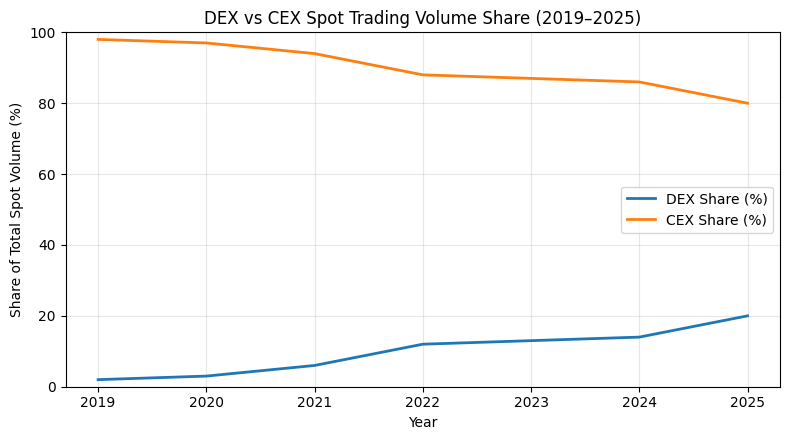
The graph uses approximated yearly averages derived from trends in CoinGecko and Coinlaw reports, highlighting the sharp increase post-2021. DEX share grew from under 5% to over 20% by 2025.
The Evolution: From DEXs to Smart Non-Custodial Platforms
Early DEXs were complex and intimidating.
Today, platforms are evolving into user-friendly, mobile-ready ecosystems that combine:
- Wallet functionality
- Spot trading
- Cross-chain swaps
- Fiat on/off ramps
This is where the real shift is happening.
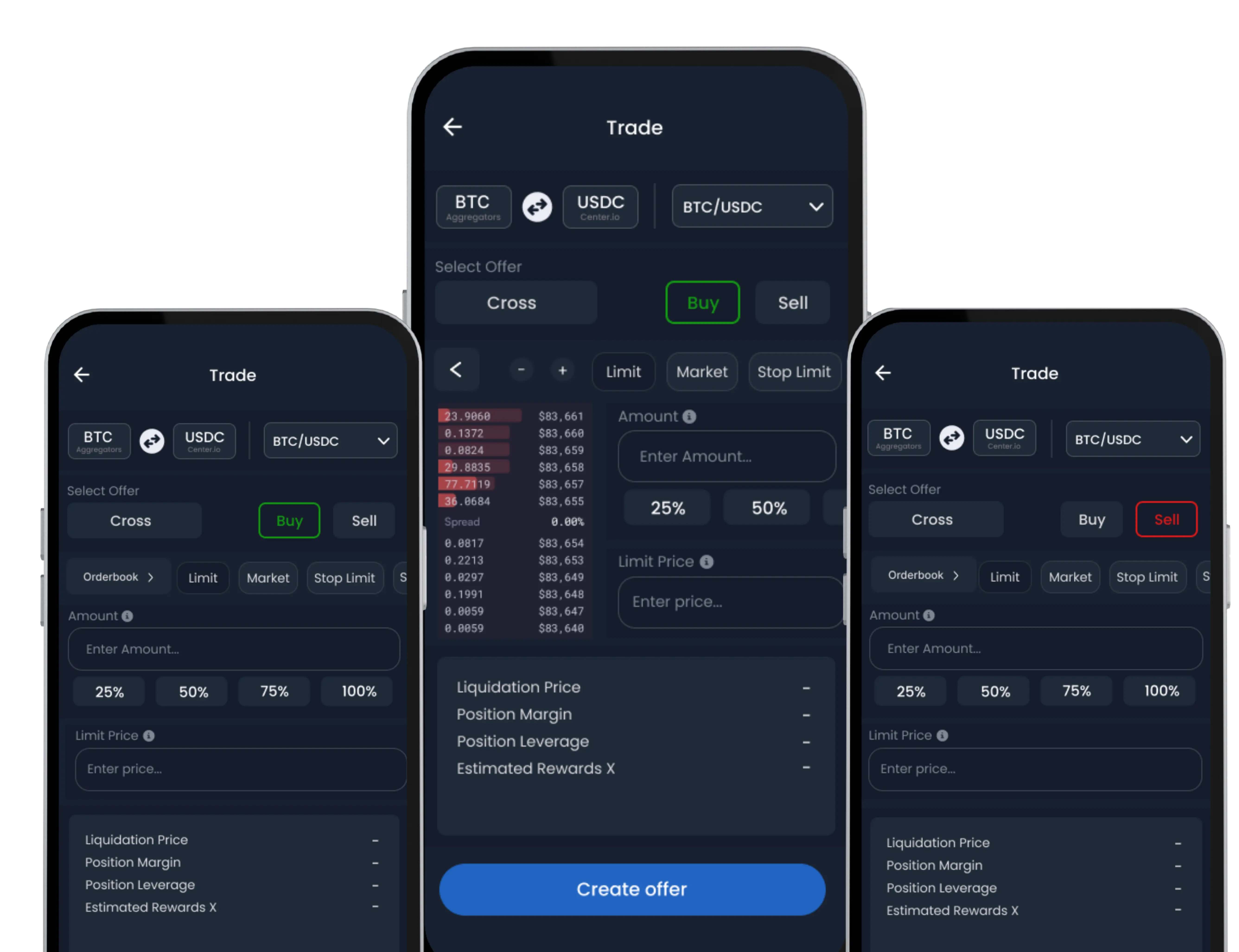
How SwiftEx Fits the Future of Crypto
SwiftEx represents the next generation of non-custodial infrastructure.
It is a multi-chain crypto wallet and DEX built for speed, accessibility, and full decentralization.
Here’s what makes it aligned with the future:
Fully Non-Custodial
Users maintain complete control over private keys and assets.
Multi-Chain Support
Swap, bridge, and manage assets across chains seamlessly.
Fast, Low-Fee Spot Trading
Optimized routing for efficient execution and reduced trading costs.
Fiat & Crypto Conversions
Seamless transitions between traditional finance and digital assets.
Built for Global, On-the-Go Access
Mobile-ready, borderless, and accessible without custodians.
SwiftEx eliminates the need to trust a centralized intermediary while maintaining the convenience users expect.
Are CEXs Going Away Completely?
Not immediately.
Centralized exchanges still provide:
- Institutional liquidity
- Advanced derivatives trading
- High-frequency trading infrastructure
However, the retail and DeFi-native audience is clearly migrating toward self-custody.
The likely future is hybrid but dominance is shifting toward non-custodial systems.
The Bigger Trend: Self-Custody is Becoming the Standard
Crypto is maturing.
Users are more educated.
Security awareness is higher.
Multi-chain usage is mainstream.
In this environment, non-custodial exchanges are not just an alternative they are becoming the default choice for serious crypto participants.
And platforms that combine decentralization with usability like SwiftEx are positioned at the center of this transformation.
Final Thoughts
So, are non-custodial exchanges replacing CEXs?
They are not eliminating them overnight but they are steadily absorbing market share where it matters most: user trust.
As the industry moves toward transparency, sovereignty, and cross-chain functionality, non-custodial infrastructure is no longer niche.
It’s the direction crypto was always meant to go.
Follow us on