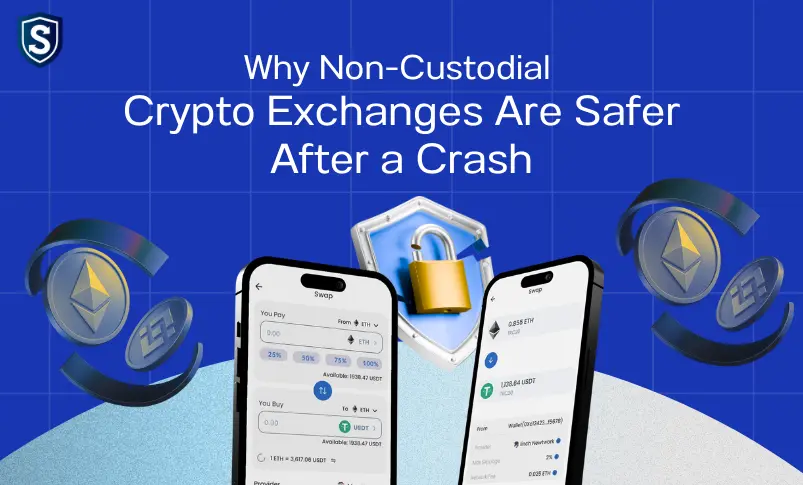
Why Non-Custodial Crypto Exchanges Are Safer After a Crash
Crypto market crashes don’t just wipe out prices they expose weaknesses in how digital assets are stored, traded, and controlled. Over the past few years, several high-profile exchange collapses have shown one clear lesson: when you don’t control your assets, you don’t truly own them.
This is why non-custodial crypto exchanges are increasingly seen as the safest way to trade after a market crash. As traders prioritize transparency, control, and security, platforms built on self-custody are becoming the new standard for resilient crypto trading.
What Market Crashes Reveal About Custodial Exchanges
During periods of extreme volatility, centralized custodial exchanges often face:
- Withdrawal freezes
- Liquidity shortages
- Delayed settlements
- Security breaches or insolvency risks
In custodial models, users hand over control of their private keys to a third party. When something goes wrong, access to funds depends entirely on the exchange’s stability and decisions.
Market crashes magnify this risk and history has proven that even large, well-known platforms can fail.
What Are Non-Custodial Crypto Exchanges?
Non-custodial crypto exchanges allow users to trade directly from their own wallets without giving up control of their private keys. Assets remain in the user’s wallet at all times, and trades are executed through blockchain-based smart contracts.
This model eliminates the need to trust a central authority and aligns with the core principles of decentralization and self-sovereignty.
Why Non-Custodial Trading Is Safer After a Crash
1. You Control Your Private Keys
In non-custodial systems, users retain full ownership of their crypto. There is no risk of funds being locked, misused, or rehypothecated by an exchange.
“Not your keys, not your coins” becomes especially relevant when markets turn unstable.
2. No Single Point of Failure
Custodial exchanges represent centralized risk. If they fail, millions of users are affected at once.
Non-custodial platforms distribute risk across blockchain networks, making them more resilient during extreme market conditions.
3. On-Chain Transparency
Trades on non-custodial exchanges are executed on-chain, allowing users to verify transactions independently. There are no hidden balances, no opaque accounting, and no behind-the-scenes fund movement.
Transparency builds trust especially after a crash.
4. Reduced Counterparty Risk
When trading through a custodial exchange, users rely on the platform’s solvency and operational integrity. Non-custodial trading removes this dependency entirely, minimizing counterparty exposure.
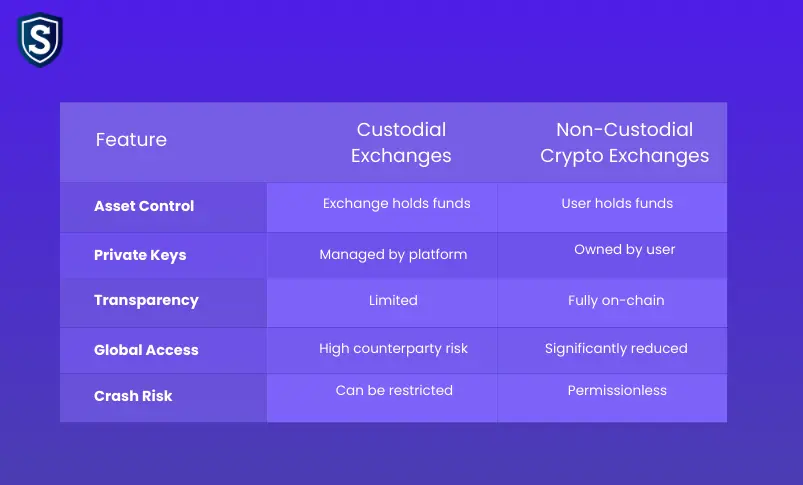
Non-Custodial vs Custodial Exchanges
Why Traders Are Moving to Self-Custody After Crashes
Every market downturn accelerates a shift toward self-custody crypto trading. Traders want platforms that:
- Can’t freeze withdrawals
- Don’t rely on centralized liquidity
- Operate without custodians
- Work globally, without friction
Non-custodial exchanges meet all these needs and that’s why adoption spikes after every major crash.
How SwiftEx Fits Into the New Safe Trading Era
SwiftEx is built for this new reality.
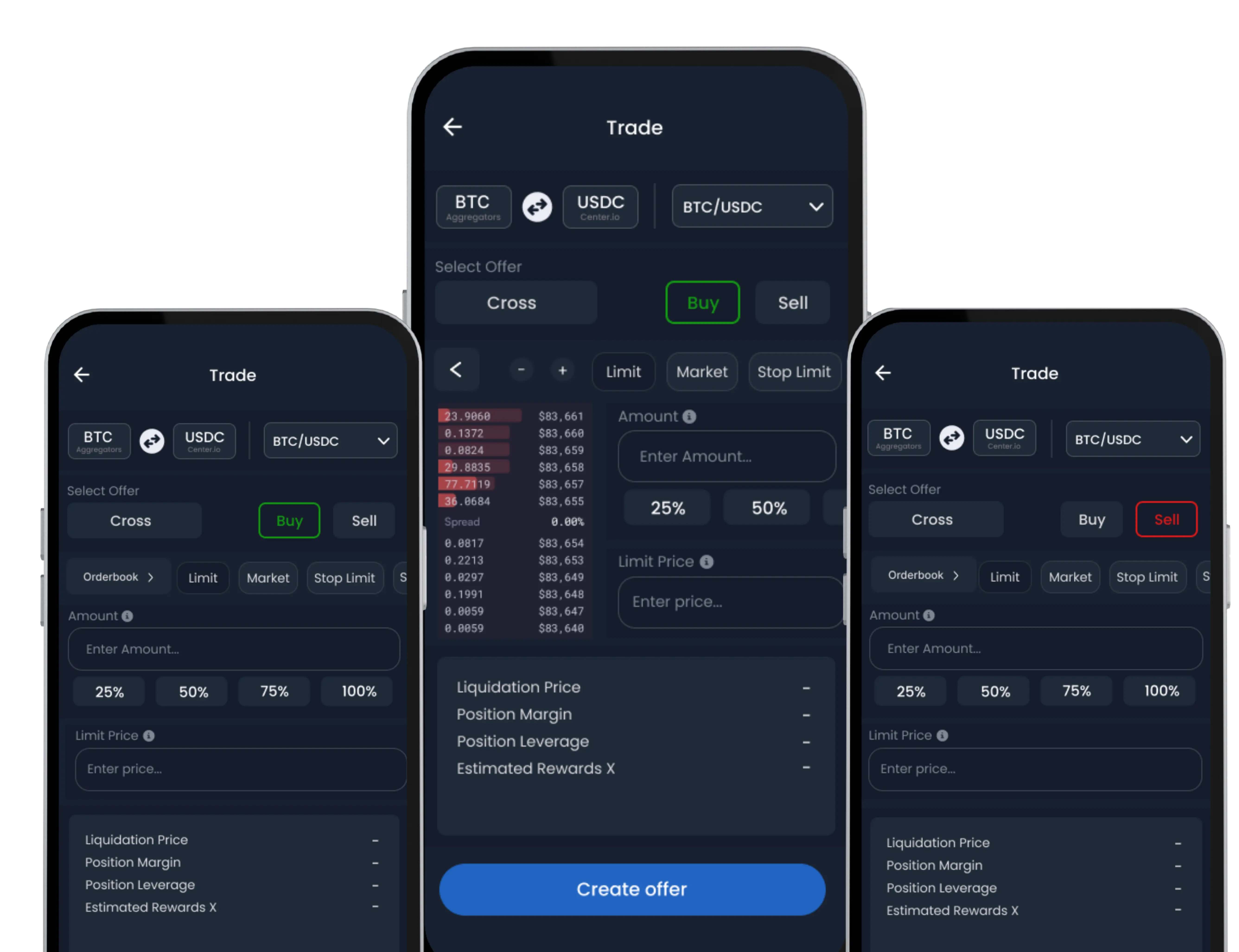
SwiftEx is a non-custodial, multi-chain crypto wallet and DEX designed for fast, secure, and low-fee spot trading. Users can swap, bridge, and manage assets across multiple blockchains all without giving up control of their funds.
What Makes SwiftEx Different:
- Fully decentralized, no custodians
- User-controlled wallets and private keys
- Multi-chain asset management
- Fast, low-fee spot trading
- Seamless fiat ↔ crypto conversions
- Designed for global, on-the-go crypto access
SwiftEx combines the security of self-custody with the convenience of modern trading infrastructure without compromising decentralization.
Is Non-Custodial Trading Right for You?
If you value:
- Asset ownership
- Transparency
- Security during volatility
- Freedom from centralized risk
Then non-custodial crypto exchanges are not just safer they’re essential.
Final Thoughts
Market crashes are painful, but they’re also revealing. They show which systems are fragile and which are built to last.
As crypto matures, non-custodial crypto exchanges are emerging as the safest way to trade especially when trust in centralized platforms is shaken.
With SwiftEx, traders don’t have to choose between security and usability. They get both fully decentralized, fully in control.
Follow us on