Risks of Storing Crypto on Centralized Exchanges
Introduction
For many traders, storing crypto on Centralized exchanges seems easy instant trading, built-in wallets, and quick access. But behind the convenience lies a major risk: you don’t truly own your crypto.
Most centralized exchanges control your private keys and therefore, your actual assets. If the platform gets hacked, suspends withdrawals, or becomes insolvent, you could permanently lose access to your funds.
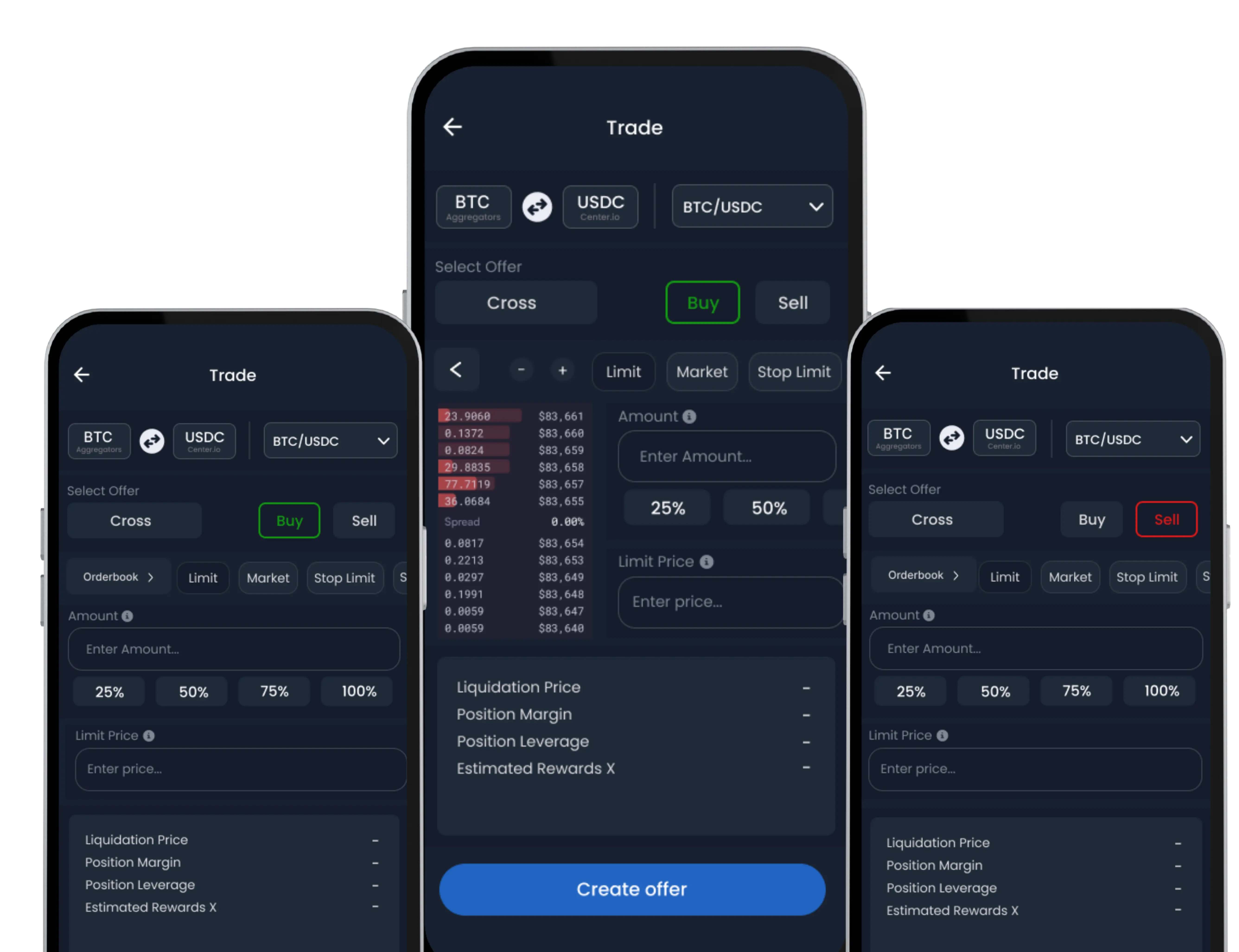
At SwiftEx, we believe in giving you full control of your assets. SwiftEx is a non-custodial, multi-chain crypto wallet and DEX that empowers you to trade securely and efficiently with low fees. Enjoy seamless fiat and crypto conversions while swapping, bridging, and managing assets across multiple chains all in a fully decentralized, custody-free environment
Let’s uncover why keeping your crypto on exchanges is riskier than it seems.
The golden rule of crypto “Not your keys, not your coins.”
When you store funds on a centralized exchange, the exchange—not you—controls your private keys. That means your crypto technically belongs to the exchange until you withdraw it.
If the platform freezes accounts, restricts withdrawals, or faces legal issues, you lose access to your own money.
With SwiftEx, you retain complete control only you hold your private keys. No middlemen, no restrictions.
1. Exchange Hacks and Security Breaches
Crypto exchanges remain prime targets for hackers because they hold enormous amounts of digital assets in centralized systems. Over the years, billions of dollars have been lost and history keeps repeating itself.
Take Mt. Gox (2014) one of the earliest and biggest exchange collapses — where nearly 850,000 BTC vanished due to poor security. Then came Coincheck (2018), losing over $500 million in NEM tokens. More recently, the FTX collapse (2022) showed that even the largest, “trusted” exchanges can fail not just from hacks, but from internal misuse of customer funds.
The core issue lies in centralization. Exchanges pool user assets into massive custodial wallets. A single system compromise can instantly impact millions of users. One stolen private key or a database breach is all it takes for hackers to drain funds overnight.
Here’s the reality when you log in to a centralized exchange and see your balance, it’s just a digital promise, not on-chain ownership. On the blockchain, your personal wallet shows zero balance, because those assets sit in the exchange’s wallets, not yours.
Non-custodial wallets like SwiftEx completely eliminate this vulnerability. Your funds never leave your control they stay on-chain, secured by your own private keys, and not stored on any third-party database. Even if SwiftEx’s servers went offline, your assets remain safe and accessible directly from the blockchain.
2. Withdrawal Freezes and Insolvency
Exchanges can and often do halt withdrawals during “maintenance,” market crashes, or liquidity issues. In worst cases, exchanges go bankrupt and lock users’ funds indefinitely.
These incidents highlight the danger of centralized control. You’re trusting an intermediary with your assets instead of owning them.
With SwiftEx, you trade directly from your wallet. Your funds never leave your control, ensuring complete transparency and accessibility.
3. Regulatory and Legal Risks
Exchanges operate under local regulations, meaning sudden government actions or compliance issues can freeze your account without warning. If the exchange operates overseas, recovering your funds can be impossible.
Decentralized solutions like SwiftEx operate without custodians or regional barriers, giving users global access and control safely and privately.
4. Lack of Transparency
Most centralized exchanges don’t provide full proof-of-reserves or on-chain transparency. Users have no real visibility into how their funds are managed or where they’re actually stored. For example, when you check your balance on a centralized exchange, it may show that you hold certain assets but on the blockchain, your actual balance is zero, since the exchange keeps those assets under its own custodial wallets, not yours.
SwiftEx, on the other hand, is fully transparent and on-chain — your assets, transactions, and swaps are all verifiable on the blockchain at any time. You hold complete control of your funds, ensuring true ownership, visibility, and trustless security.
The Safer Alternative Go Non-Custodial
The future of crypto belongs to self-custody. By switching to a non-custodial wallet and DEX like SwiftEx, you eliminate the single point of failure centralized exchanges.
SwiftEx lets you:
- Manage your assets across multiple chains
- Bridge crypto seamlessly
- Swap instantly with low fees
- Stay 100% in control of your private keys
No more risks, no custodians, just full ownership and freedom.
Conclusion
While exchanges offer convenience for trading, they’re not designed for long-term storage. Keeping your crypto on an exchange means giving up control and in the world of crypto, control is everything.
Protect your assets, embrace decentralization, and experience the power of SwiftEx your non-custodial, multi-chain gateway to crypto freedom.
Follow us on