Is Crypto Safe on Public Wi-Fi?
Trading crypto on the go has become common. Many users check balances, swap tokens, or manage wallets using mobile devices connected to public Wi-Fi at cafés, airports, hotels, or coworking spaces. This convenience leads to one critical question: is crypto safe on public Wi-Fi?
The answer is yes but only if you understand the risks and use secure tools, especially when trading or storing crypto on mobile wallets.
Why Public Wi-Fi Is Risky for Crypto Users
Public Wi-Fi networks are often unsecured or weakly encrypted, making them easy targets for attackers. Unlike private networks, public Wi-Fi offers little visibility into who controls the network or who else is connected.
This creates serious crypto security risks on public Wi-Fi, particularly for mobile users.
Common Crypto Security Risks on Public Wi-Fi
Man-in-the-Middle (MITM) Attacks
Attackers can intercept data between your device and the network, potentially monitoring wallet activity, transaction details, or session data.
Fake or “Evil Twin” Wi-Fi Networks
Hackers often create fake hotspots with names like “Free Airport Wi-Fi” to trick users into connecting and exposing sensitive activity.
Session Hijacking
If attackers gain access to an active session, they may track wallet addresses, monitor balances, or interfere with transactions.
These threats make mobile crypto wallet safety a major concern when using public networks.
Is Crypto Trading on Public Wi-Fi Always Unsafe?
Not necessarily.
The level of risk depends on the type of wallet you use, who controls the private keys, and whether transactions are signed locally on your device. This is where non-custodial wallets offer a major security advantage.
Are Non-Custodial Wallets Safer on Public Wi-Fi?
Yes. Non-custodial wallet security is significantly stronger than custodial platforms.
With a non-custodial wallet, you control your private keys, no centralized platform holds your funds, and transactions are signed locally. Even if a public network is compromised, attackers cannot access your assets without your private keys.
How SwiftEx Improves Crypto Security on Public Wi-Fi
SwiftEx is built with decentralization and security at its core.
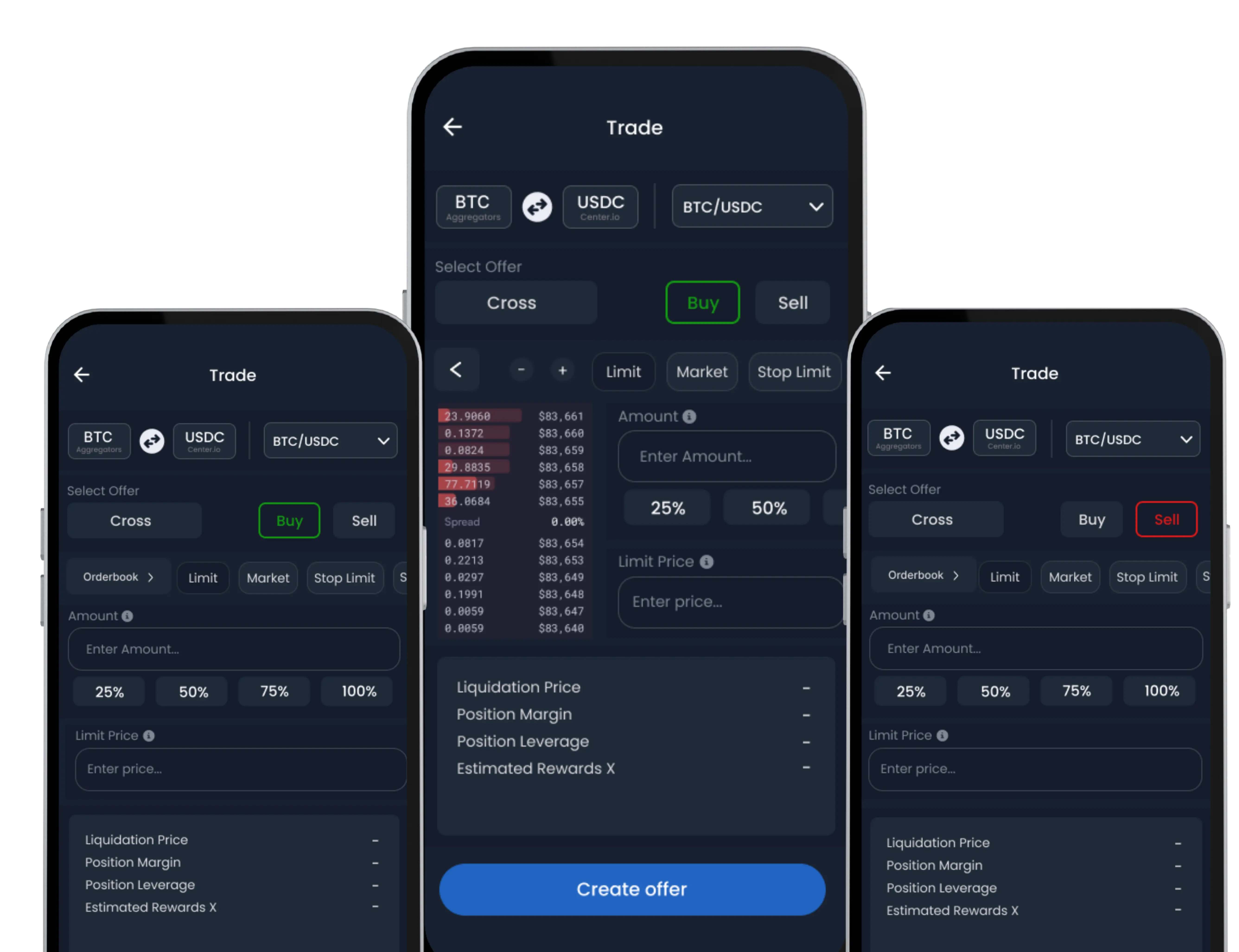
SwiftEx is a non-custodial, multi-chain crypto wallet and DEX that enables fast and secure low-fee spot trading along with seamless fiat-to-crypto and crypto-to-fiat conversions.
It empowers users to swap, bridge, and manage assets across multiple blockchains fully decentralized, with no custodians making it ideal for global, on-the-go crypto access, even on public Wi-Fi networks.
Best Practices for Secure Crypto Trading on Public Wi-Fi
To reduce public Wi-Fi crypto risks, follow these best practices:
- Use a non-custodial wallet instead of centralized exchanges
- Enable biometric or PIN protection on your wallet app
- Avoid interacting with unknown browser extensions
- Double-check Wi-Fi network names before connecting
- Never share seed phrases or private keys
- Keep your wallet app and device updated
These steps greatly improve secure crypto trading on mobile.
Is Mobile Crypto Wallet Safety Improving?
Yes. Modern wallets and decentralized platforms are focusing on encrypted local signing, permission-based approvals, and user-controlled security. Platforms like SwiftEx are designed for a future where crypto can be safely managed anywhere, without relying on centralized custodians.
Final Verdict: Is Crypto Safe on Public Wi-Fi?
Crypto can be safe on public Wi-Fi but only when users stay informed and use decentralized, non-custodial solutions.
By choosing secure platforms like SwiftEx and following basic security practices, users can reduce exposure and trade confidently, even on public networks.
Follow us on