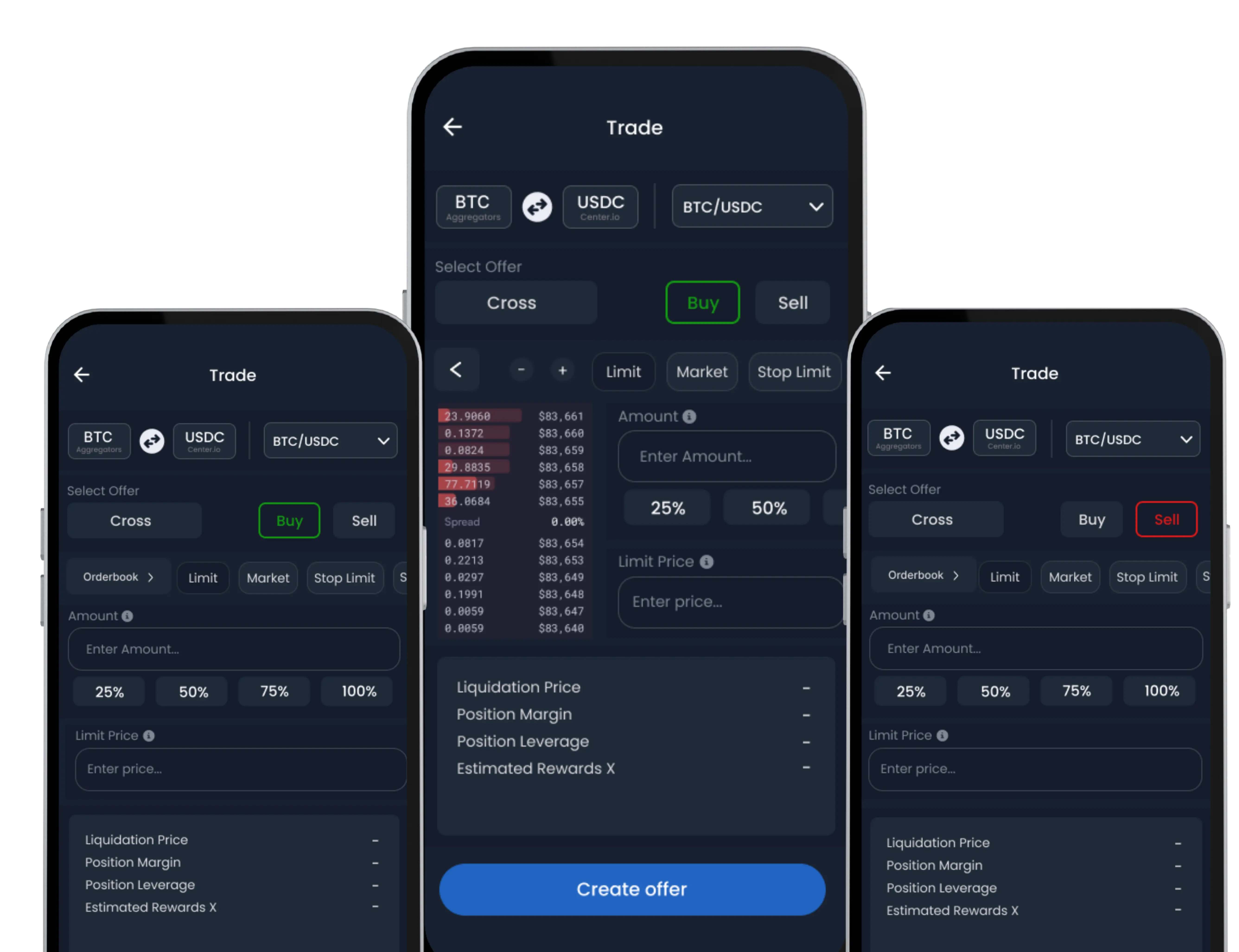
Managing a Crypto Portfolio on a DEX Is Still Broken. Here's How SwiftEx Is Solving It.
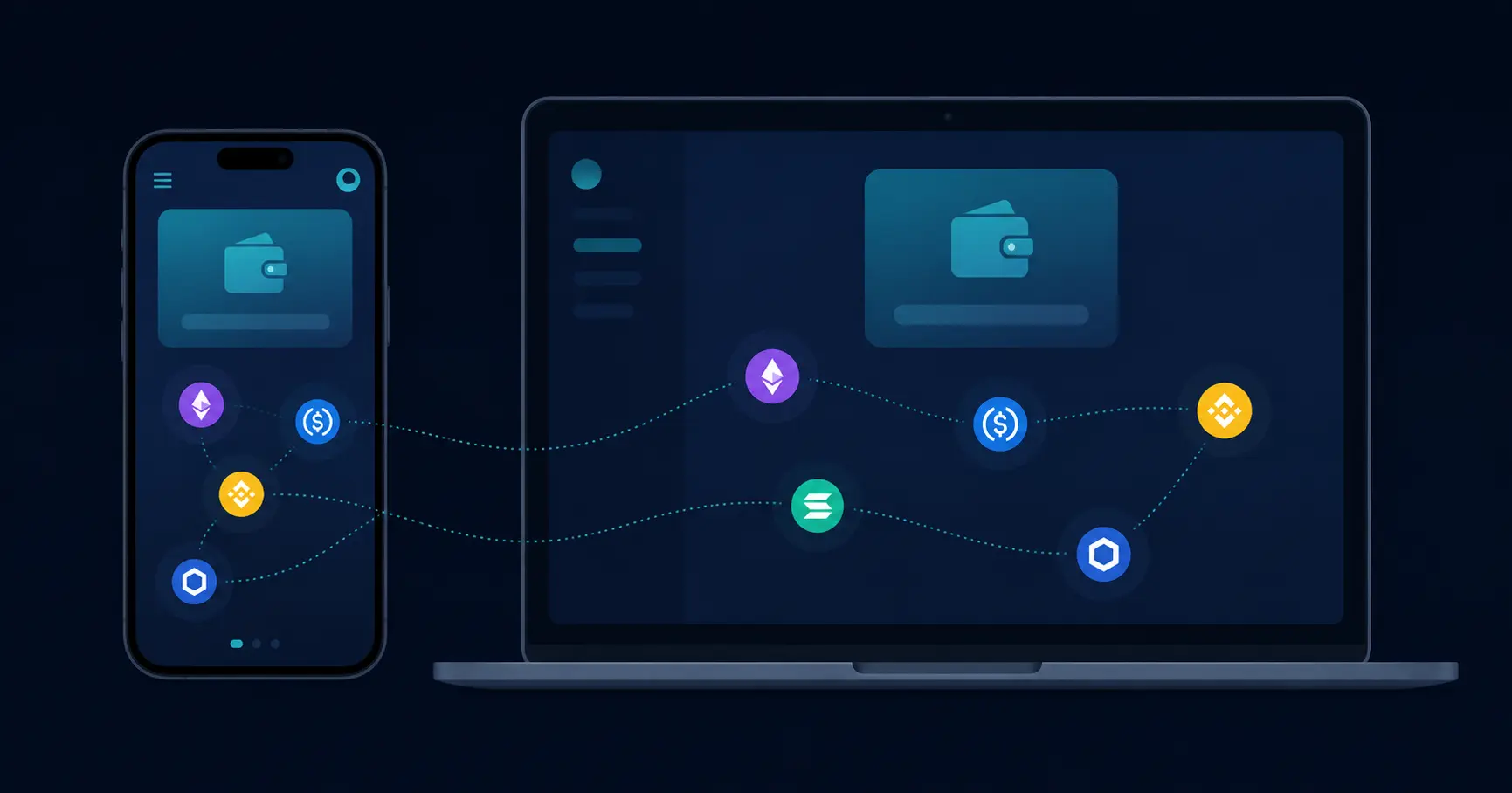
Introduction: The Real Story Nobody Tells You
You've seen the dashboards.
Clean charts. Real-time prices. One-tap swaps.
The marketing makes DEX portfolio management look effortless.
The reality is different.
Most people managing a crypto portfolio across a decentralized exchange on web and mobile are doing it through a patchwork of disconnected tools, manual tracking, and interfaces that were not designed with portfolio management in mind at all.
This blog breaks down exactly:
- What managing a portfolio on a DEX actually looks like in practice
- Where the experience breaks down on web vs mobile
- What the real problems are and why they persist
- What a properly built DEX interface should actually do
What Portfolio Management on a DEX Should Mean
Let's start with what it should be.
A DEX portfolio management experience should let you see everything you hold, execute swaps at fair prices, track your performance over time, and move between assets and chains without losing context or paying unnecessary fees.
One screen. One source of truth. Full control.
That's the promise.
Now here's what actually happens.
The Reality: Five Problems Nobody Advertises
1. Your Portfolio Is Spread Across Chains You Can't See Together
The average active DeFi user holds assets on three to five different chains.
ETH on Ethereum. USDC on Arbitrum. A token on BNB Chain. Maybe something on Stellar or Solana.
Most DEX interfaces show you one chain at a time.
To get a real picture of what you hold, you either switch networks manually one by one, or you open a separate portfolio tracker like Zapper or DeBank alongside your DEX. Now you're in two apps to do what should happen in one.
The fragmentation isn't a missing feature. It's a structural choice most platforms haven't fixed.
2. Mobile and Web Are Not the Same Experience
This is one of the most overlooked frustrations in DeFi.
The web interface for most DEXes has more features, better charting, deeper swap options, and more readable transaction history than the mobile version. The mobile app is often a simplified subset, built to handle basic swaps and not much else.
For users who manage their portfolio primarily from a phone, which is most users outside of active traders, this means constantly switching to desktop for anything complex. Position review. Historical PnL. Detailed token breakdowns.
A portfolio is not something you manage only at a desk. The mobile experience needs to carry the same weight.
3. Transaction History Is Almost Useless for Portfolio Tracking
Ask any DEX user to tell you their actual return on a token they've been trading for three months.
Most can't answer that without exporting data to a spreadsheet.
DEX transaction history shows you what happened. Swap executed. Amount sent. Amount received. Gas paid. Timestamp.
It does not show you:
- Your average entry price across multiple buys
- Your realized vs unrealized gains
- The impact of gas fees on your actual returns
- How a position performed against the market
This information exists on-chain. It just isn't surfaced anywhere useful.
4. Slippage and Fees Eat Into Returns Silently
A portfolio management interface should make costs visible.
Most don't.
When you swap on a DEX, you pay network fees, sometimes a protocol fee, and you absorb slippage based on pool depth. For small trades on liquid pairs, these costs are minor. For larger positions or thin markets, they compound quickly.
The interface typically shows you an estimated output and a slippage tolerance setting. It does not show you what percentage of your trade is going to fees, how that compares to alternatives, or what your effective execution price was after everything settled.
Users making regular portfolio adjustments are losing a meaningful amount to these costs without a clear picture of how much.
5. There Is No Risk View
A stock brokerage shows you portfolio concentration. Volatility metrics. Correlation between holdings.
A DEX shows you token balances.
For a user holding six tokens across three chains, there is no native view showing that 70% of their portfolio is concentrated in high-correlation assets, or that two of their holdings have dropped liquidity significantly in the last week, or that one token's smart contract was recently flagged.
Risk visibility is completely absent from almost every DEX interface available today.
Why These Problems Exist
These aren't oversights. They reflect how DEXes were originally built.
The first generation of DEXes were built to do one thing: swap tokens on a single chain. Portfolio management was never part of the design brief. It got bolted on later as features, not rethought from scratch.
The result is that most DEX interfaces today are swap engines with a portfolio tab, not portfolio tools with a swap engine inside them.
The distinction matters. A swap engine optimizes for transaction execution. A portfolio tool optimizes for the user's understanding of their financial position. Those are different products with different design priorities.
What Web vs Mobile Actually Demands
The web and mobile contexts are genuinely different and they need different things.
On web, users are more likely to be making deliberate decisions. Reviewing positions, planning rebalances, analyzing a token before entry, checking historical performance. The web interface needs to be information-dense, with real charting, cost breakdowns, portfolio analytics, and multi-chain visibility in a single view.
On mobile, users are more likely to be checking balances, making quick swaps, and monitoring price movements. The mobile interface needs to be fast and readable, with the same data available but reorganized for a smaller screen and shorter attention span.
The mistake most platforms make is building the mobile experience as a stripped-down version of web rather than a purpose-built experience for a different context. The result is that mobile users either miss key information or get overwhelmed by an interface that was never designed for their use case.
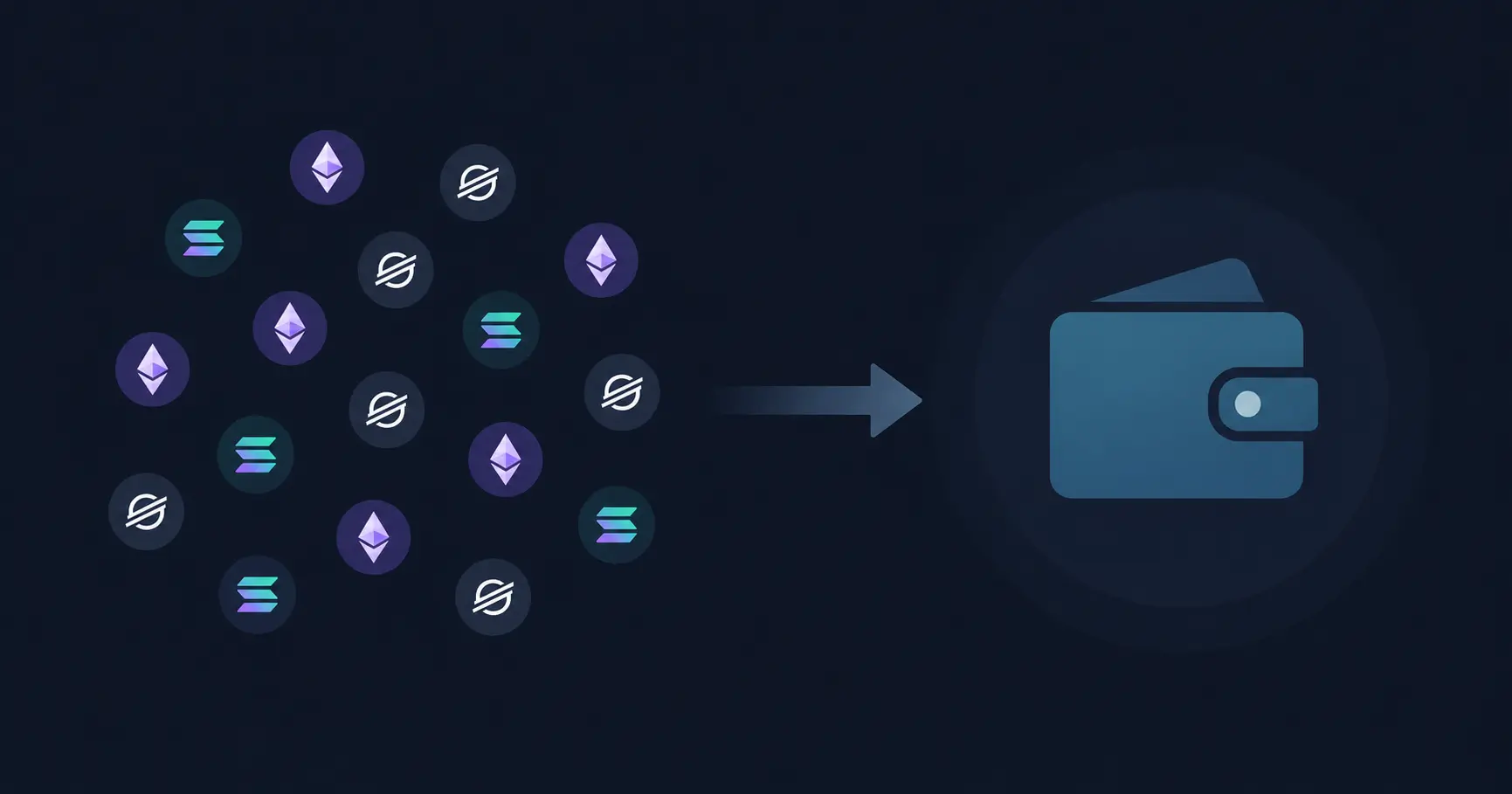
How SwiftEx Is Solving It
SwiftEx is built around the idea that portfolio management should not be an afterthought bolted onto a swap engine.
It shows your holdings across supported chains in one place, without forcing you to switch networks manually to see what you actually own. Multi-network asset management sits at the core of the wallet, not as a separate feature buried in settings.
It treats mobile as a real product, not a stripped-down version of web. The same wallet works across Android and iOS with the same level of functionality, so checking your portfolio from your phone is not a downgrade from doing it at a desk.
Cross-chain swaps and bridging happen within the wallet itself, including access to Stellar's SDEX for on-chain swaps at low protocol-level fees. That means fewer external tools, fewer tabs, and fewer places for fees to quietly add up without you noticing.
And because SwiftEx is non-custodial with zero platform fees, what you see is closer to what you actually keep. Your keys stay yours, and the wallet does not take a cut on top of network costs.
It is still early. SwiftEx is in beta, with more portfolio-focused features rolling out as the product matures. But the direction is clear: less switching, less guessing, more visibility into what you actually hold and what it is actually worth.
Conclusion: The Gap Between the Dashboard and Reality
The crypto industry is very good at building beautiful interfaces that look like they do everything.
The gap between looking comprehensive and being useful for actual portfolio management is still significant.
Most DEX users today are managing real money through tools that were designed for something simpler. They're filling the gaps with separate trackers, spreadsheets, and desktop-only workflows.
The platform that closes that gap, on both web and mobile, with portfolio visibility built in rather than bolted on, is the one that earns long-term users. That's the gap SwiftEx is built to close.
Follow us on